

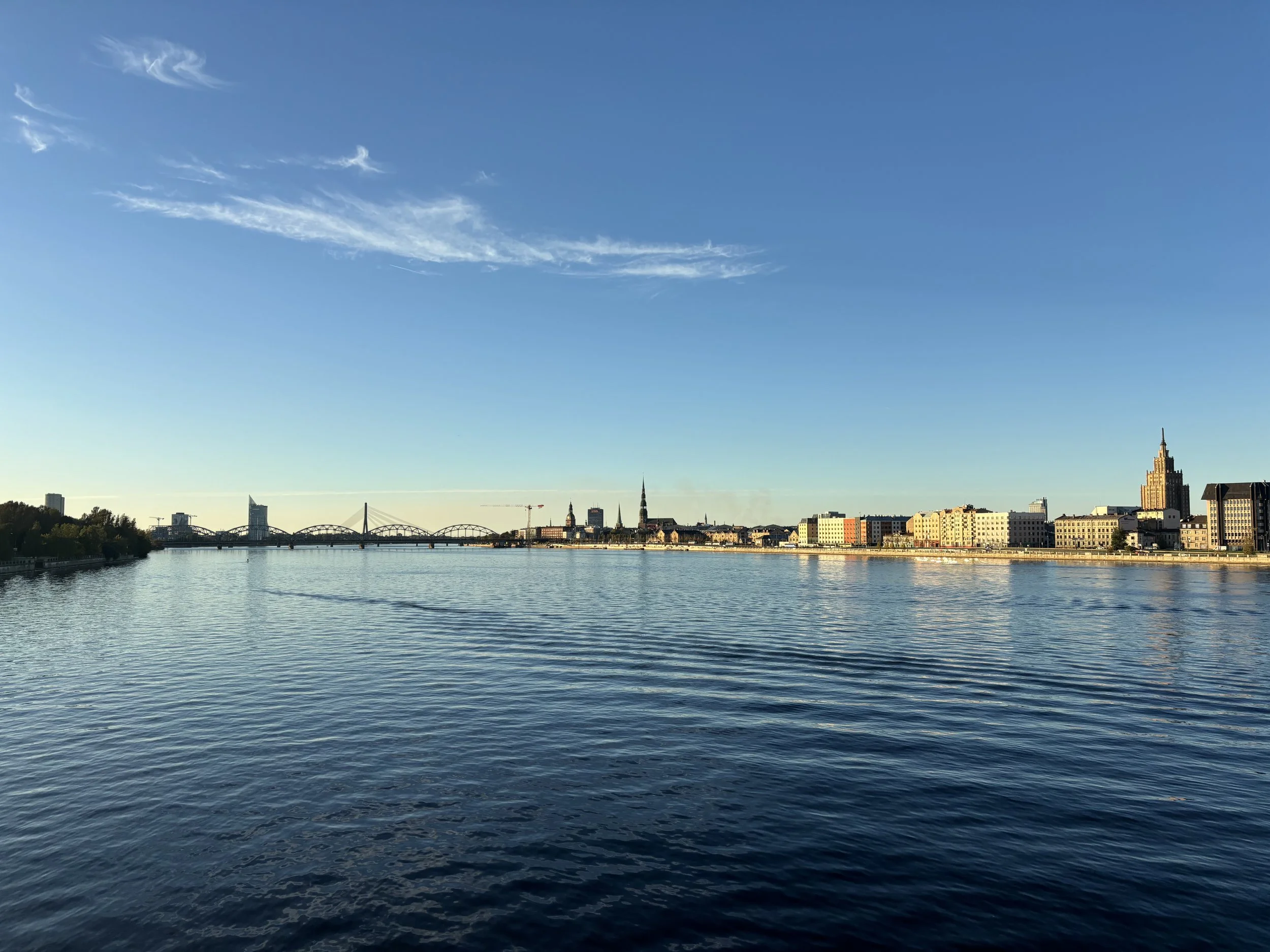
Tallinn
Whether you're craving a cultural weekend, scenic strolls, or vibrant nightlife, BalticCityBreaks is your guide to memorable urban adventures.
Why Tallinn Belongs on Your Baltic Itinerary
Tallinn is one of those rare cities that actually feels genuinely ancient and sharply modern at the same time. The UNESCO-listed Old Town, a maze of Gothic spires, merchant houses, and limestone city walls, is among the best-preserved medieval quarters in all of Europe. Step through the Viru Gates and you're transported to a city that looks much as it did in the 15th century. Walk ten minutes north towards Kalamaja, and you're in a neighbourhood of wooden villas, artisan coffee shops, and one of Europe's most inventive street food scenes.
Estonia punches well above its weight culturally. As the birthplace of Skype and one of the world's most digitally advanced societies, Tallinn pairs medieval architecture with a forward-looking, design-literate energy that makes it endlessly interesting to explore. For city break travellers, it hits a sweet spot: compact enough to cover in a weekend, rich enough to reward a week.
Flights connect Tallinn to most major European hubs, and the city centre is small enough that a good pair of shoes is your primary mode of transport. It's also excellent value compared to Helsinki, Stockholm, or Copenhagen, cities it competes with atmosphere for a fraction of the cost.
Tallinn Old Town: Where to Start
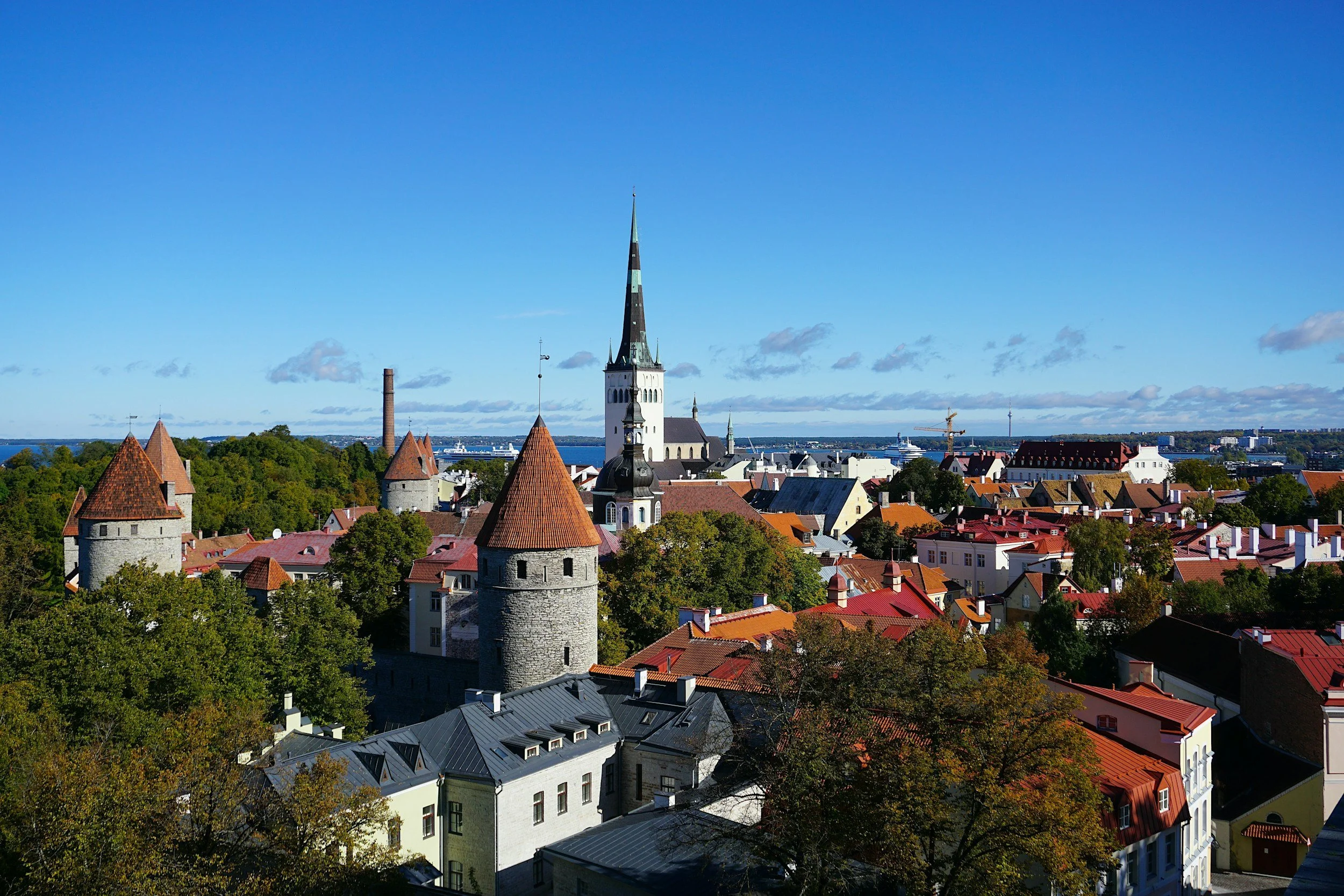
Old Town is the obvious starting point, and rightly so. It's divided into two distinct levels: Toompea (the Upper Town), perched on a limestone cliff and home to the Estonian Parliament, Alexander Nevsky Cathedral, and sweeping panoramic viewpoints; and the Lower Town below, where the real street life unfolds around Town Hall Square (Raekoja Plats), the oldest continually operating town hall in the Baltic states.
The most rewarding way to explore is on foot, without a fixed agenda. Wander down Pikk Street, Tallinn's oldest thoroughfare, and you'll pass the Guild Halls, the Church of the Holy Spirit (whose 1684 clock is the oldest public timepiece in Tallinn), and a succession of beautifully restored merchant houses. Seek out the narrow alleyways — Katarina Käik in particular, a quiet medieval passage connecting two streets behind the Dominican Monastery, lined with artisan workshops selling ceramics, jewellery, and leather goods.
For a guided introduction, a walking tour of Old Town is worth doing on your first morning. It gives context that makes everything you see afterwards more meaningful. Explore Walking Tours here
Two viewpoints worth seeking out:
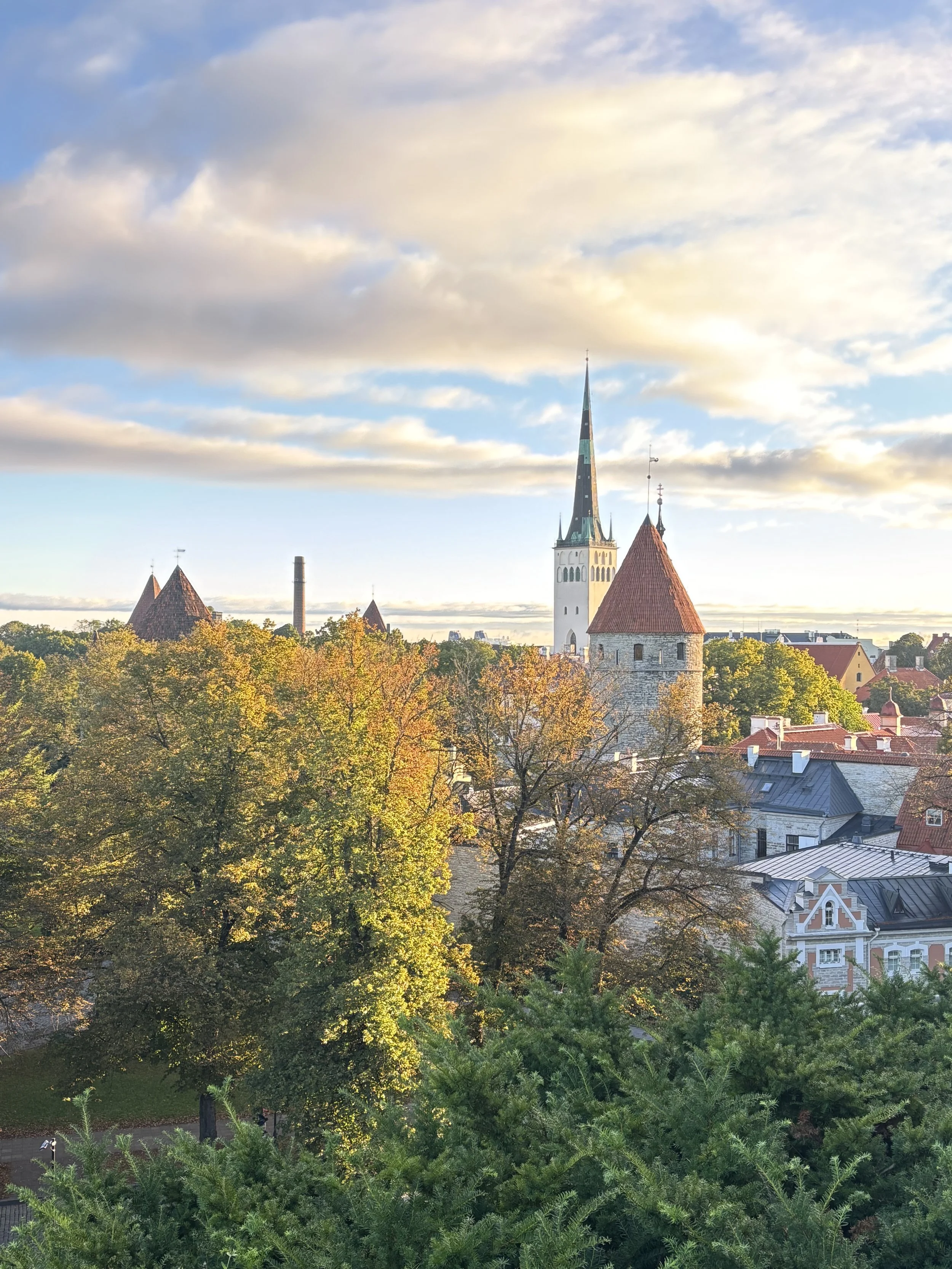
Kohtuotsa viewing platform offers the classic postcard panorama over the Lower Town's terracotta rooftops and Gothic spires, best in the early morning before the crowds arrive. Patkuli viewing platform on the western ramparts gives a different angle, looking out over Toompea's towers and the bay beyond.
Beyond Old Town: Tallinn's Creative Districts
The city's most exciting recent development is happening outside the medieval walls, and visitors who spend all their time in Old Town miss the full picture.
Kalamaja is Tallinn's most characterful neighbourhood, a residential district of colourful wooden houses dating from the late 19th and early 20th century, built when Tallinn was part of the Russian Empire and home to working-class factory workers. Today it's a relaxed, artsy area with excellent independent cafés, vintage shops, and a genuine local feel. The Saturday market at Balti Jaam (the Baltic Station) is one of the best in the city, a mix of local produce, antiques, and street food that draws as many Tallinn residents as tourists.
Telliskivi Creative City sits on the edge of Kalamaja and is Tallinn's answer to the repurposed industrial district. Former factory buildings now house design studios, vinyl record shops, concept stores, and some of the city's best restaurants and bars. The murals change regularly and are worth photographing. On weekends it fills with a young, creative crowd and has a lively, unhurried energy.
Noblessner, further along the coast, is Tallinn's newest waterfront district, a former submarine factory converted into galleries, restaurants, and a marina. It's still developing but already has several destination-worthy venues and excellent views of the bay.
Top Things to Do in Tallinn
Visit Kadriorg Palace and Park Built by Peter the Great in 1718 as a summer residence, Kadriorg is a baroque palace set within a formal park about 20 minutes' walk from Old Town. The palace itself houses the Kadriorg Art Museum, with a strong collection of foreign art spanning Dutch masters to 20th-century Estonian pieces. The park is lovely year-round, rose gardens in summer, a dramatic snow-dusted landscape in winter. Behind the palace, KUMU (the Estonian Art Museum) is one of the finest contemporary art museums in the Baltics, housed in a striking limestone and glass building that won the European Museum of the Year award in 2008.
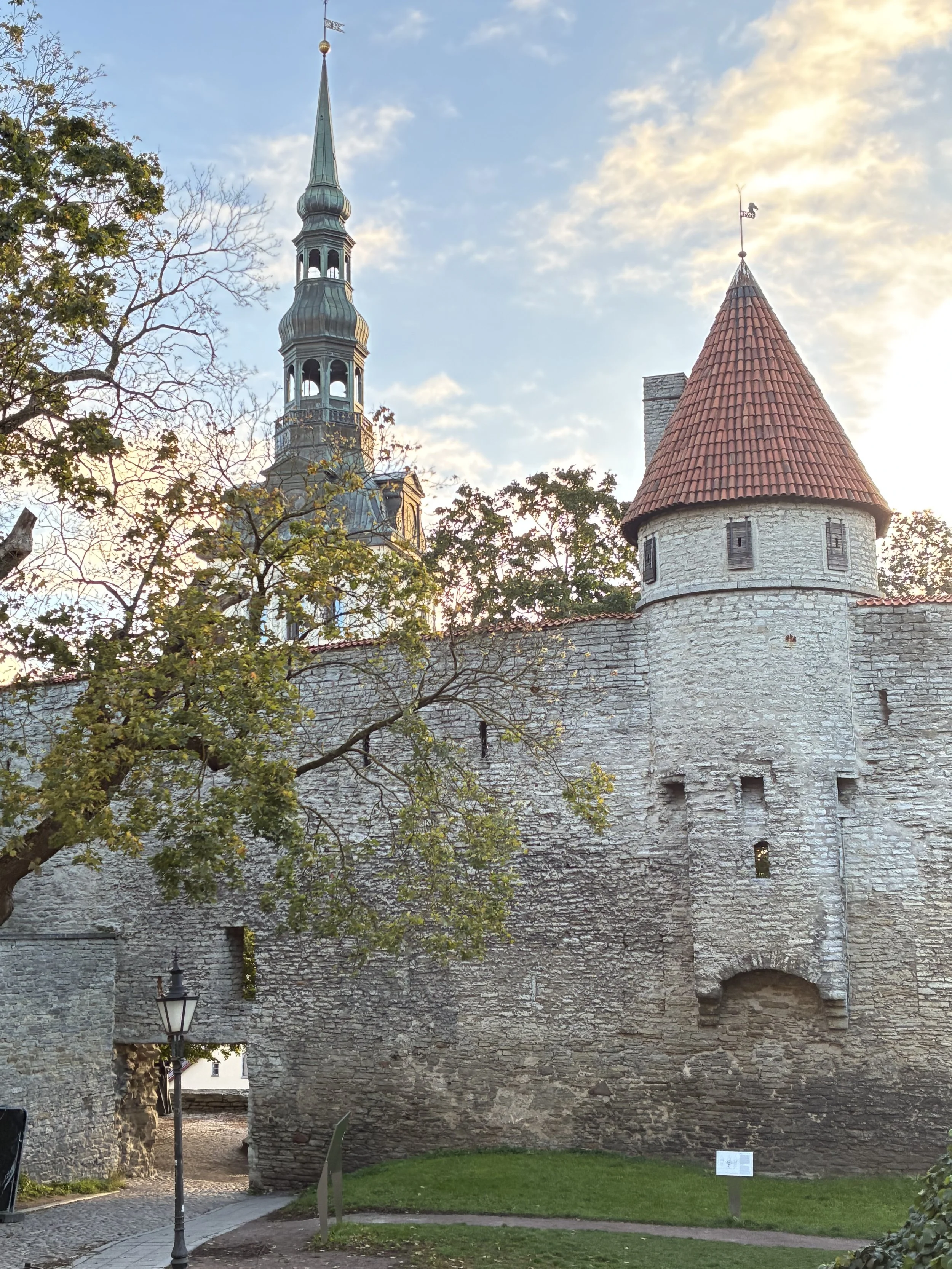
Walk the City Walls Sections of Tallinn's medieval fortification survive almost intact, and you can walk along the walls between towers for a fee, or simply follow the path along the outside of the ramparts for free. The towers are individually named (Fat Margaret, Tall Hermann, Kiek in de Kök) and each has its own character and partial museum.
Day trip to Lahemaa National Park Around 70km east of Tallinn, Lahemaa is Estonia's oldest and largest national park, a coastal landscape of pine forests, bog trails, manor houses, and fishing villages. The park is easily done as a day trip by car or organised tour, and it's one of the most rewarding nature experiences anywhere in the Baltics. The Viru Bog boardwalk is particularly accessible and spectacular.
Explore the Food Scene Tallinn's restaurant scene has improved dramatically in recent years. The Central Market (near Balti Jaam) is the best place to eat like a local, smoked fish, local cheeses, dark rye bread, and excellent pastries. Telliskivi has a cluster of strong independent restaurants. For a more formal dinner, the Old Town has several excellent Estonian cuisine restaurants serving elevated takes on traditional dishes like black bread, elk, and local pike-perch.
Where to Stay in Tallinn
Tallinn is compact enough that most central accommodation puts you within easy reach of everything. The key choice is whether you want the atmosphere of Old Town on your doorstep, or the more local feel of Kalamaja.
Old Town is the most popular base and suits first-time visitors perfectly. You're walking distance from all the main landmarks, and the evening atmosphere, when the day-trippers have gone and the lanterns come on along the cobbled streets is genuinely special. It tends to be the priciest part of the city for accommodation but remains good value by Western European standards.
City Centre / New Town (the area around Viru Street and Tammsaare Park) offers a good compromise, modern hotels with easy access to both Old Town and the tram network, generally at lower prices than within the walls.
Kalamaja suits repeat visitors or those who prefer a quieter, more residential base. The boutique accommodation here is some of the most interesting in the city, and the neighbourhood's café culture is excellent. It's a 15–20 minute walk to Old Town or a short tram ride.
When to Visit Tallinn
Tallinn rewards visiting in almost any season, but the experience changes dramatically depending on when you go.
Summer (June–August) is the peak season, with long daylight hours, outdoor dining, and a lively festival calendar. The White Nights period in June means it barely gets dark at all, the evenings have a magical, golden quality. Old Town is at its busiest, but the energy is infectious.
Autumn (September–October) is arguably the best time to visit, the summer crowds thin out, the light is beautiful, and the city feels relaxed. Accommodation prices drop noticeably. The forests around Lahemaa and the coastal areas turn extraordinary colours.
Winter (November–February) is Tallinn at its most atmospheric. The Christmas Market on Town Hall Square is one of the finest in Europe, warmly lit, traditionally styled, and far less commercialised than its Western counterparts. Cold temperatures (often below freezing) are offset by cosy cafés, mulled wine, and the city's medieval architecture looking its most dramatic under snow.
Spring (March–May) is a quieter, emerging season, prices are low, gardens are coming to life, and the Old Town is at its least crowded.
Getting to Tallinn
Tallinn Airport (TLL) is 4km from the city centre and served by direct flights from London, Dublin, Amsterdam, Frankfurt, Stockholm, Helsinki, and most major European hubs. The journey to the centre takes around 15 minutes by taxi or the airport bus (route 2).
Tallinn is also connected to Riga and Vilnius by Lux Express coach, a comfortable, reliable, and affordable way to travel if you're doing a multi-city Baltic trip. The journey between Tallinn and Riga takes around 4.5 hours. Explore Bus Routes here
Getting around the city
Tallinn's Old Town is best explored on foot, it's small and entirely walkable. For the wider city, trams and buses are cheap and efficient. The Tallinn Card (available for 24, 48, or 72 hours) includes free public transport and entry to many of the main museums, and is worth considering if you plan to visit several attractions.
A word on cobblestones: Old Town's streets are beautiful but uneven. Comfortable flat-soled shoes are strongly recommended, particularly in winter when the stones can be icy.
Tallinn is the kind of city that rewards curiosity. The medieval core is remarkable, but the best experiences often happen when you wander further, down a quiet alleyway, into a neighbourhood café, along the coastal path between Kalamaja and the Noblessner waterfront. It's a city that reveals itself gradually, and most visitors leave wishing they'd booked one more night.
Heading to Riga or Vilnius too? See our Baltic Itineraries guide for how to combine all three capitals into one trip.
Affiliate Disclosure
This page contains affiliate links. If you book or purchase through these links, we may earn a small commission at no extra cost to you. This helps support the site and allows us to keep sharing travel guides and tips. Thank you for your support.