

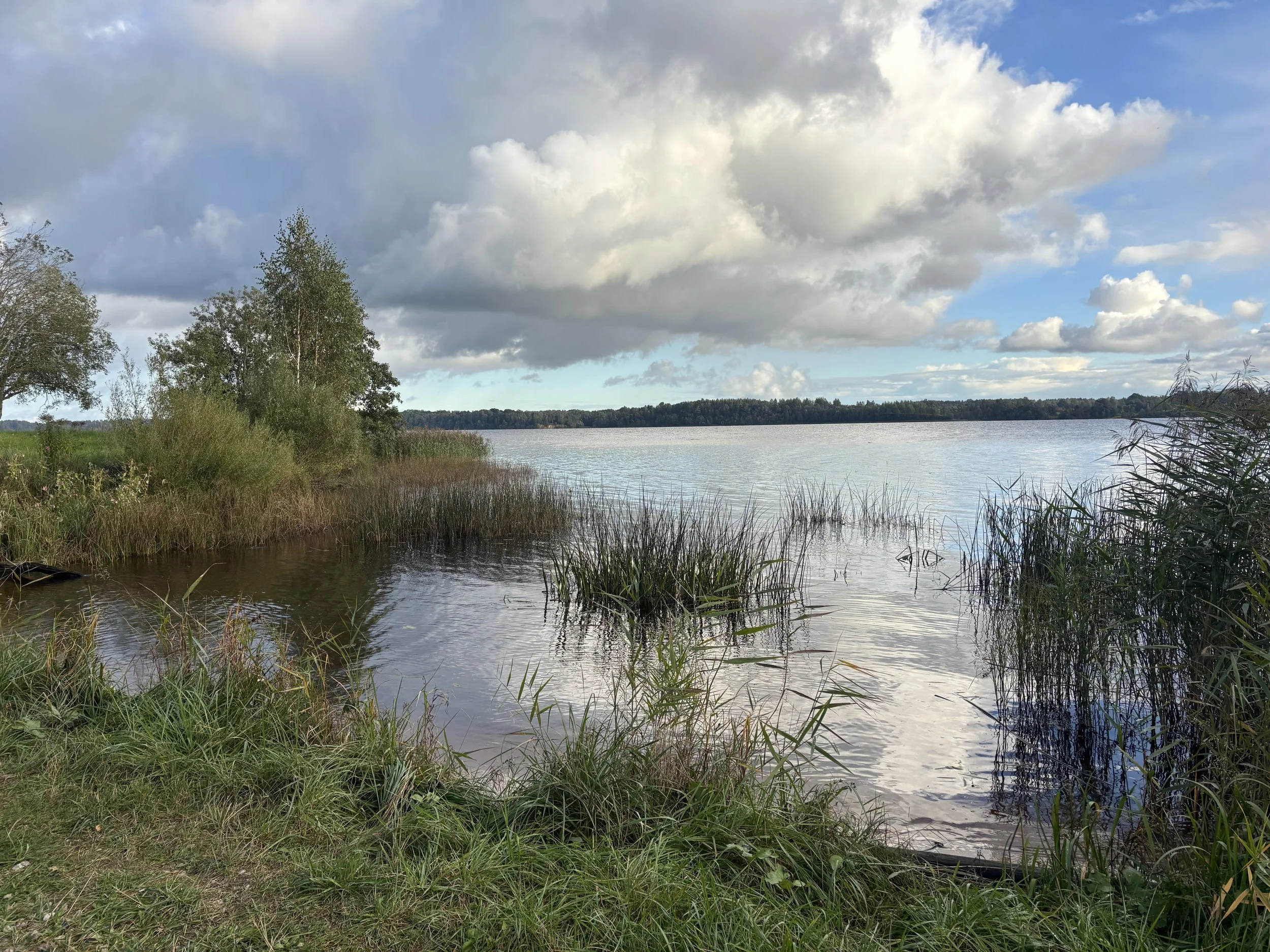
Hiking and Nature Trails in Latvia
Discover Latvia’s national parks, scenic trails, and peaceful escapes just beyond the city
-
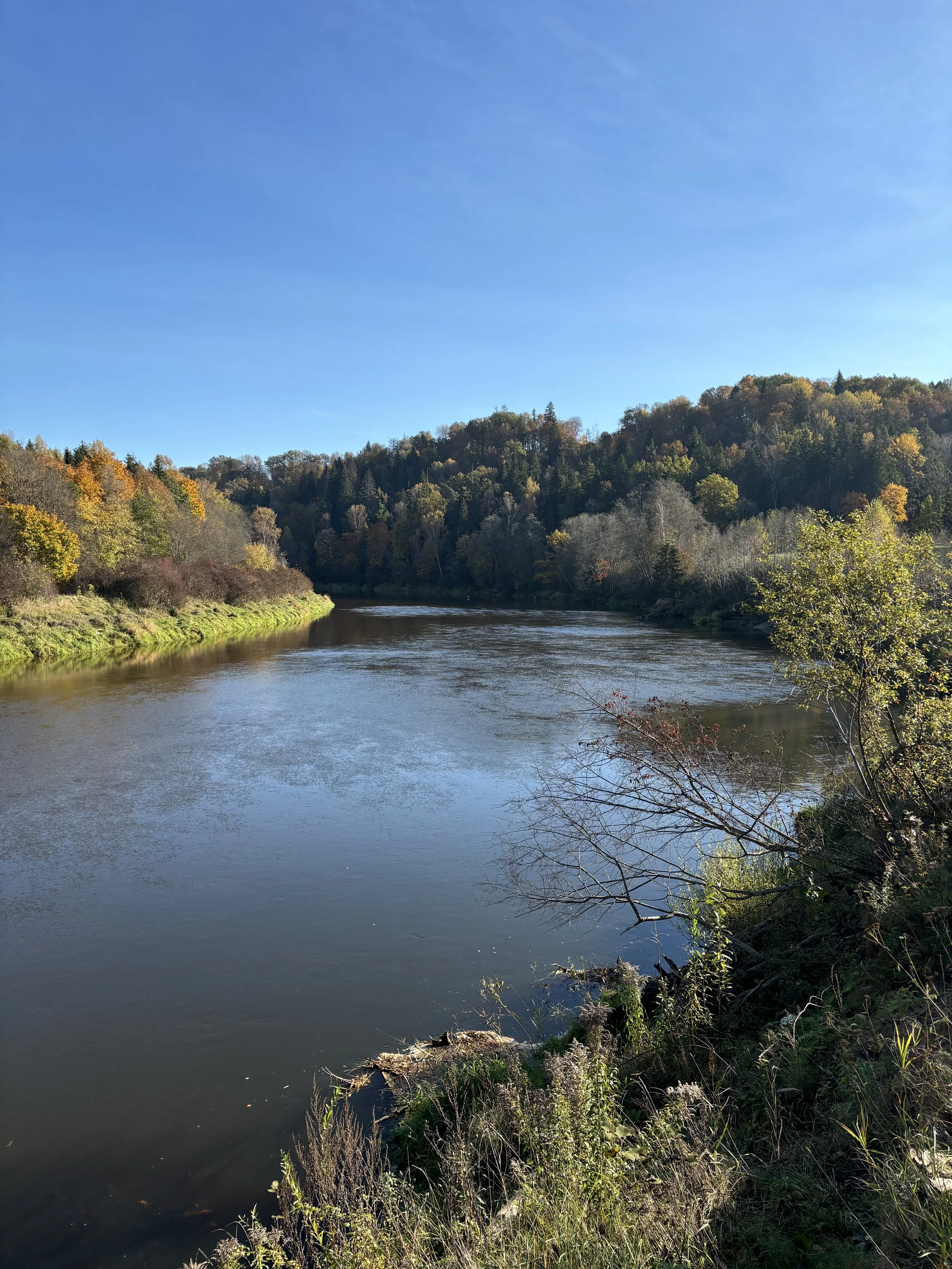
Sigulda
Located in Latvia’s Gauja National Park, Sigulda is ideal for nature lovers and hikers. It features rolling hills, forests, and the scenic Gauja River. Trails vary from easy walks to challenging hikes with views of sandstone cliffs, castles, caves, and historic sites. The area’s diverse flora and fauna, especially in spring and autumn, add to the experience. Besides hiking, visitors can enjoy bird watching, cycling, and photography. Easily accessible from Riga, Sigulda is perfect for day trips or weekend escapes.
-
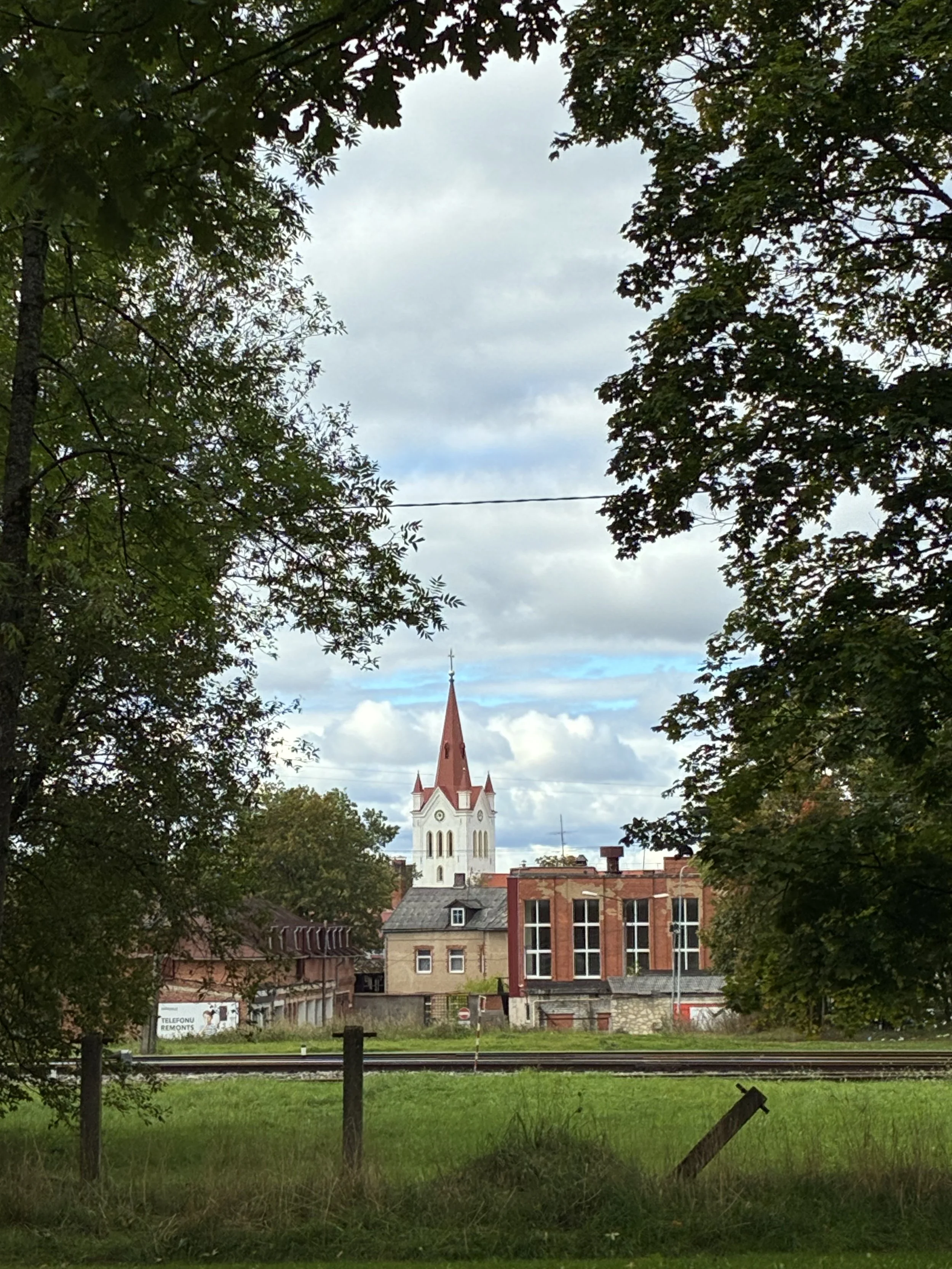
Cesis
Cēsis, Latvia, is ideal for nature lovers and hikers, surrounded by forests, hills, and lakes. Trails vary from easy walks to challenging hikes through woodlands, riverbanks, and viewpoints. Located within Gauja National Park, it features diverse wildlife, sandstone cliffs, caves, and historical sites like medieval castles. Popular routes include Mother’s Hill with panoramic views and adventure trails for wildlife spotting. The landscape changes with the seasons, making Cēsis a great year-round hiking spot that blends nature, history, and culture.
-
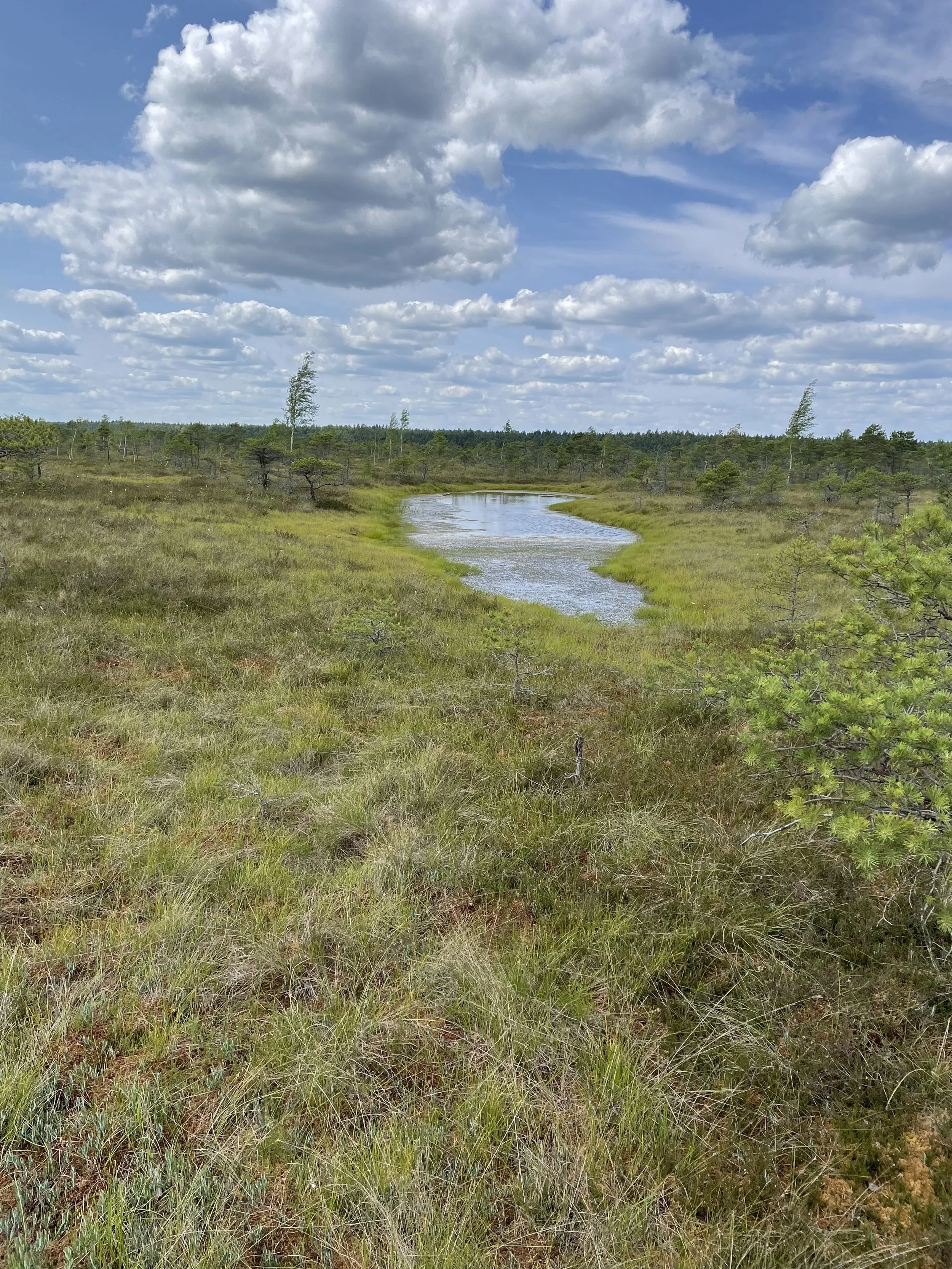
Kemeri National Park
Kemeri National Park, Latvia: A natural haven where journeys begin with inspiration. Its peat bogs, lakes, and wildlife showcase nature’s beauty and resilience. Walking the boardwalks and mud springs offers peace and a fresh perspective. Whether seeking calm, adventure, or creativity, Kemeri is the ideal place to nurture and share your story.
-
Ogre
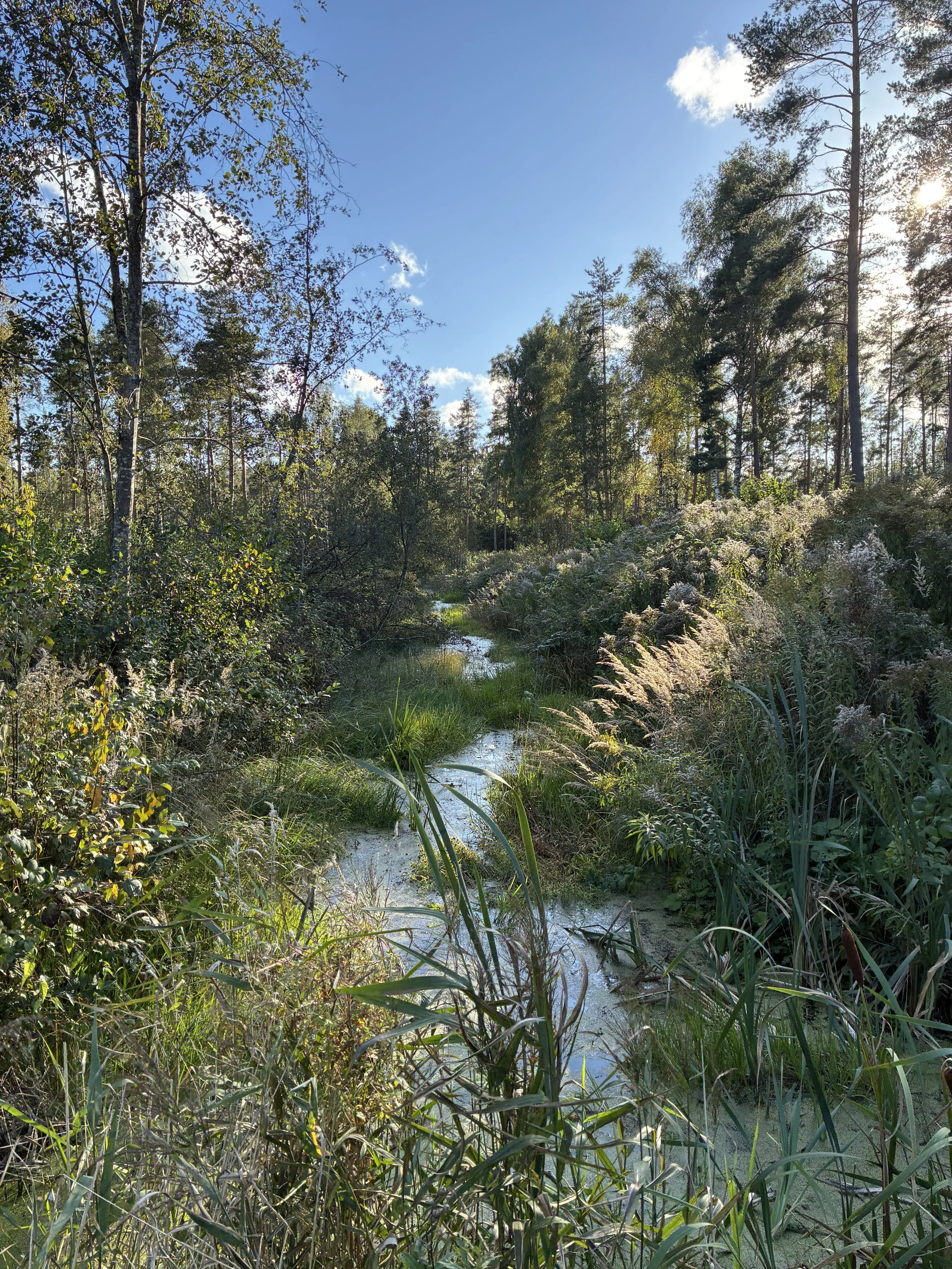
Ogre, Latvia, is ideal for nature lovers seeking peace near Riga. Located by the Ogre River and surrounded by forests, it offers riverside walks, cycling, kayaking, and canoeing. Nearby Gauja National Park has hiking, birdwatching, and scenic views. Parks like Ogre Nature Park provide spots for picnics and jogging. Year-round, Ogre offers a refreshing escape with vibrant autumn colors or snowy winters, perfect for outdoor adventures and relaxation.
Explore Nature and Villages by Train from Riga
Some of the best hiking in Latvia is easily reached from Riga, making it perfect for day trips or weekend escapes. Regular train connections link the capital with surrounding nature areas, and the journeys are comfortable, affordable, and reliable. Stations are safe, clean, and easy to navigate, so even first-time visitors feel confident exploring. Along the way, the routes pass through charming small villages and historic towns, where you can step off the train and find yourself on a trail within minutes. It’s one of the simplest ways to combine authentic Latvian culture with the country’s vast natural beauty.
Travel Tip: Hiking by Train from Riga
Riga → Vecāķi (about 25 minutes): The closest coastal escape, with pine forest and dunes right off the platform, ideal if you're short on time.
Riga → Sigulda (1 hour): Gateway to Gauja National Park, with river valley trails, castle ruins, and panoramic viewpoints.
Riga → Ķemeri (1 hour): Famous for its wooden boardwalks across the bog landscape, birdwatching towers, and mineral springs.
Riga → Lilaste (48 minutes): Coastal pine forest walking straight from the station, with dune trails leading to the beach and on to Pabaži.
Riga → Saulkrasti (about 1 hour): A resort town on the Gulf of Riga with beach walks, a red sandstone bluff at White Dune, and forest trails inland.
Riga → Cēsis (around 1.5–2 hours): Further into Gauja National Park, with its own trail network, castle ruins, and a quieter pace than Sigulda, good for a longer day out.
Vecāķi, Lilaste, and Saulkrasti sit on the same coastal line through Carnikava, so you can combine them into one longer trip if you want. Sigulda and Cēsis are both on the Gulbene line, with Cēsis a further stop past Sigulda for those who want to go deeper into the park. Ķemeri runs on a separate line toward Tukums.
All routes are served by regular, inexpensive trains, with safe and clean stations. You can step off the train and be on a trail within minutes. Book here
Lilaste to Pabaži Walk
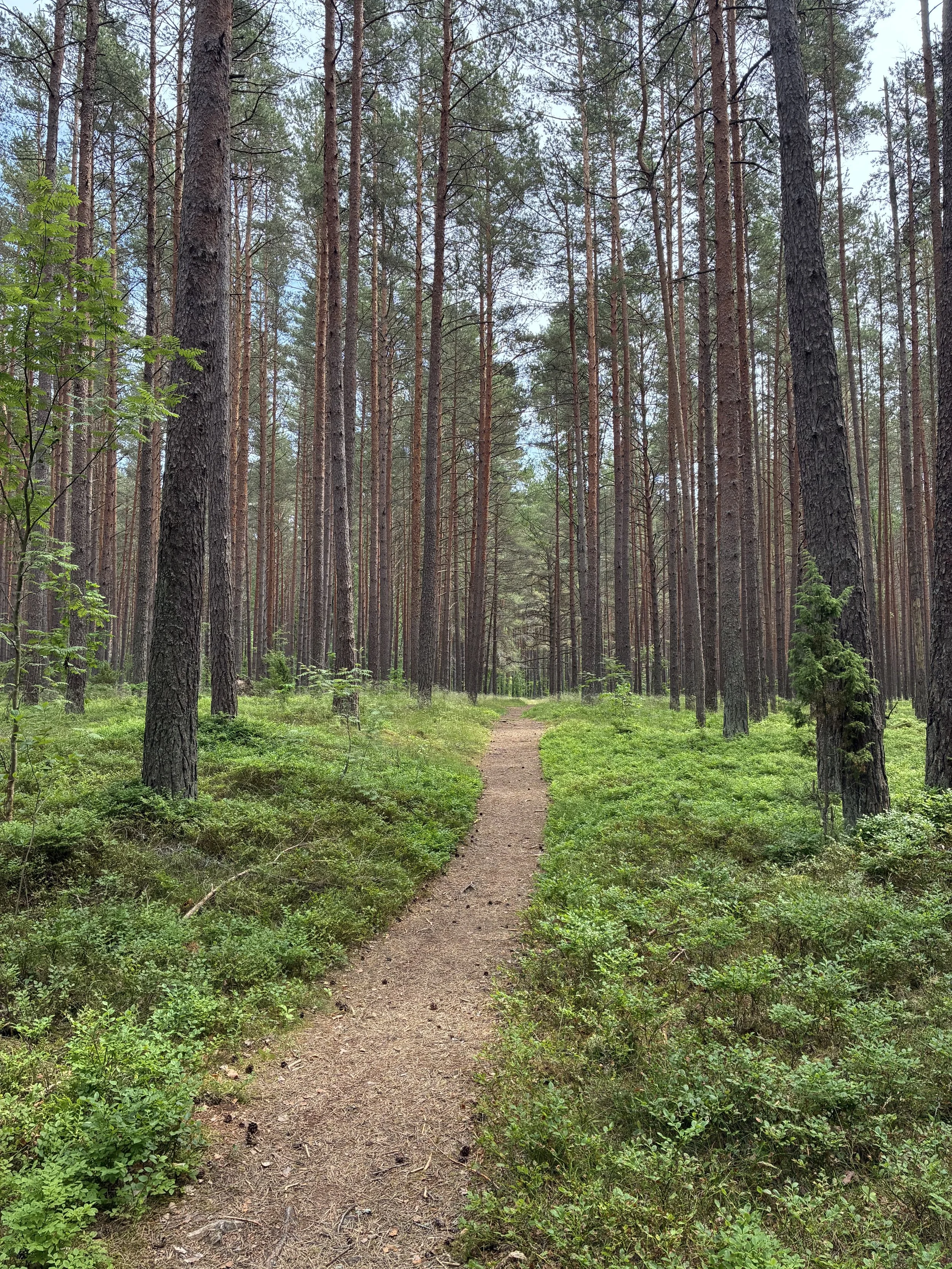
The Lilaste to Pabaži walk covers 6 to 7 km through pine forest, coastal dunes, and open beach along the Gulf of Riga. Starting at Lilaste station, the sandy trail runs shaded through tall pines before opening onto dune grass and beach, with sand underfoot for the rest of the way. Near Pabaži, the Katrīnas Liepas mark a small historic site tied to Catherine the Great. Flat and easy throughout, it takes two to three hours at a relaxed pace.
Hiking & Nature in the Baltics – FAQ
When is the best time to go hiking in the Baltics?
The best time for hiking is from May to September, when temperatures are mild, daylight hours are long, and trails are fully accessible. Autumn (September–October) is also beautiful, with colorful forests and fewer crowds.
Are the Baltic countries good for hiking?
Yes, Estonia, Latvia, and Lithuania offer excellent hiking opportunities, especially for nature lovers seeking peaceful, uncrowded trails. You’ll find national parks, coastal paths, forests, and wetlands with well-marked routes.
Do I need special equipment for hiking in the Baltics?
For most trails, standard hiking shoes and weather-appropriate clothing are enough. Trails are generally easy to moderate, but waterproof footwear is recommended for forest and bog areas.
Are there mountains in the Baltics?
No, the Baltics are mostly flat, so hiking focuses on forests, lakes, coastlines, and gentle hills rather than mountain terrain. This makes it accessible for all fitness levels.
What are the best national parks to visit?
Top choices include Gauja National Park in Latvia, Lahemaa National Park in Estonia, and Aukštaitija National Park in Lithuania, each offering diverse landscapes and well-maintained trails.
Can I hike independently or do I need a guide?
Most trails are clearly marked and suitable for independent hiking. Guides are optional but can enhance the experience with local insights, especially in more remote areas.
Is wildlife common on hiking trails?
Wildlife such as deer, elk, and a variety of bird species can be seen, especially in quieter areas. Encounters are generally safe and part of the natural experience.
How easy is it to reach hiking areas from the capital cities?
Very easy. Many top hiking spots are within 1–2 hours of Riga, Tallinn, and Vilnius, accessible by car, bus, train or guided tours. Explore bus and train timetables here.
Are the trails family-friendly?
Yes, many trails are suitable for families, with shorter routes, boardwalks in bog areas, and well-maintained paths.
Are there coastal hiking options?
Yes, the Baltic coastline offers excellent hiking, particularly in places like Jūrmala, the Curonian Spit, and Estonia’s coastal national parks, combining sea views with forest trails.
Affiliate Disclosure
This page contains affiliate links. If you book or purchase through these links, we may earn a small commission at no extra cost to you. This helps support the site and allows us to keep sharing travel guides and tips. Thank you for your support.