

Latvia’s National Parks: Where Nature Tells Its Own Story
A Journey Through Nature, Culture, and Landscape
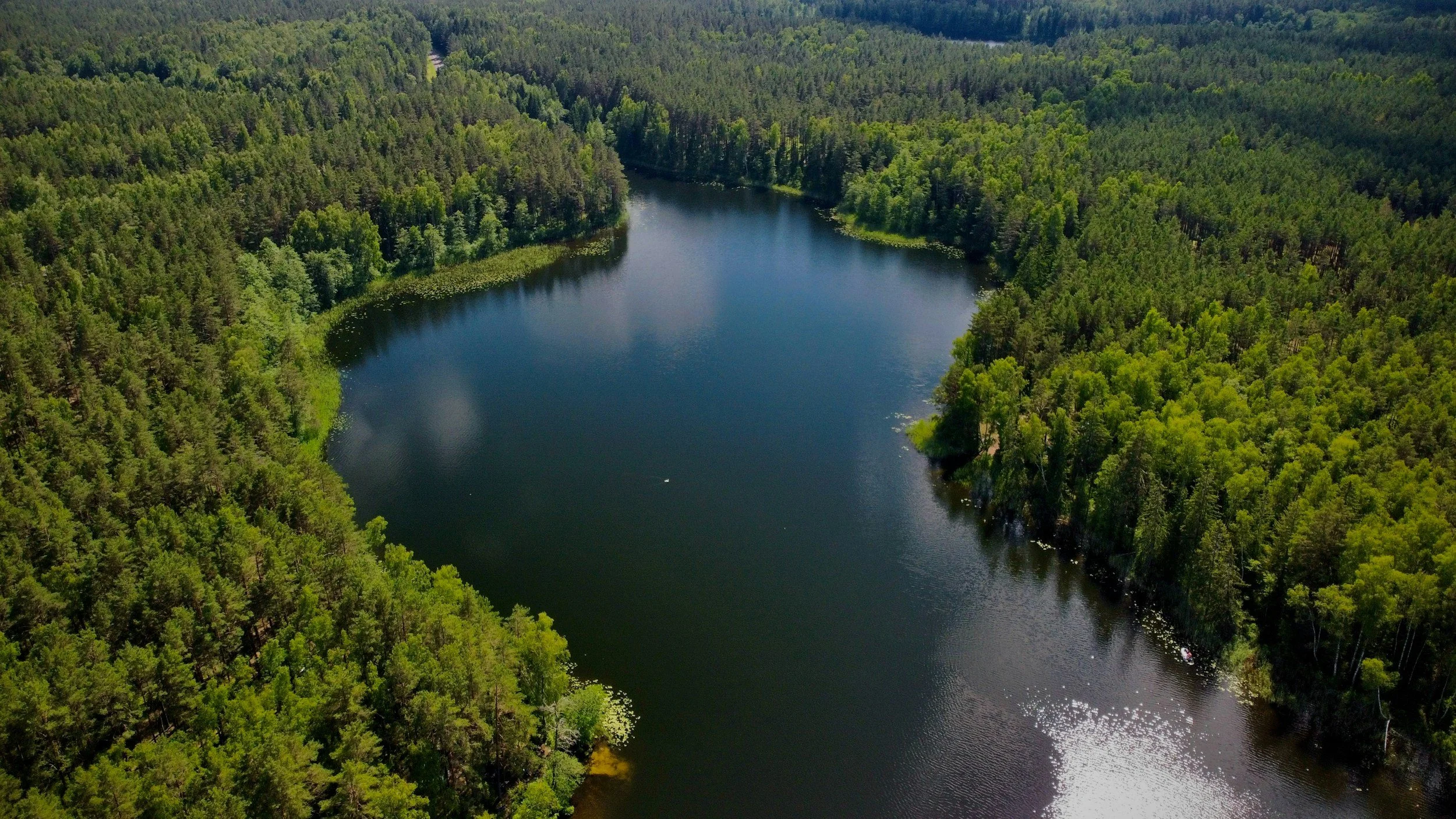
Latvia’s four national parks showcase the country’s remarkable diversity of landscapes, from coastal wilderness to river valleys and lake districts shaped by centuries of culture. Gauja National Park, the largest and most visited, is known for its sandstone cliffs, medieval castles, and dense forests along the Gauja River. Ķemeri National Park offers a completely different experience, with its vast wetlands, raised bogs, and unique boardwalk trails rich in birdlife and mineral springs. Along the remote Livonian Coast, Slītere National Park protects ancient dunes, pristine forests, and quiet fishing villages where tradition still shapes daily life. In the east, Rāzna National Park is defined by rolling hills and Latvia’s “Latgale Sea,” blending tranquil nature with strong cultural and spiritual heritage.
Together, these four parks form a balanced portrait of Latvia itself-wild yet accessible, deeply rooted in history, and shaped by the quiet rhythm of nature. Let us look at each of the parks in more detail:
Gauja National Park
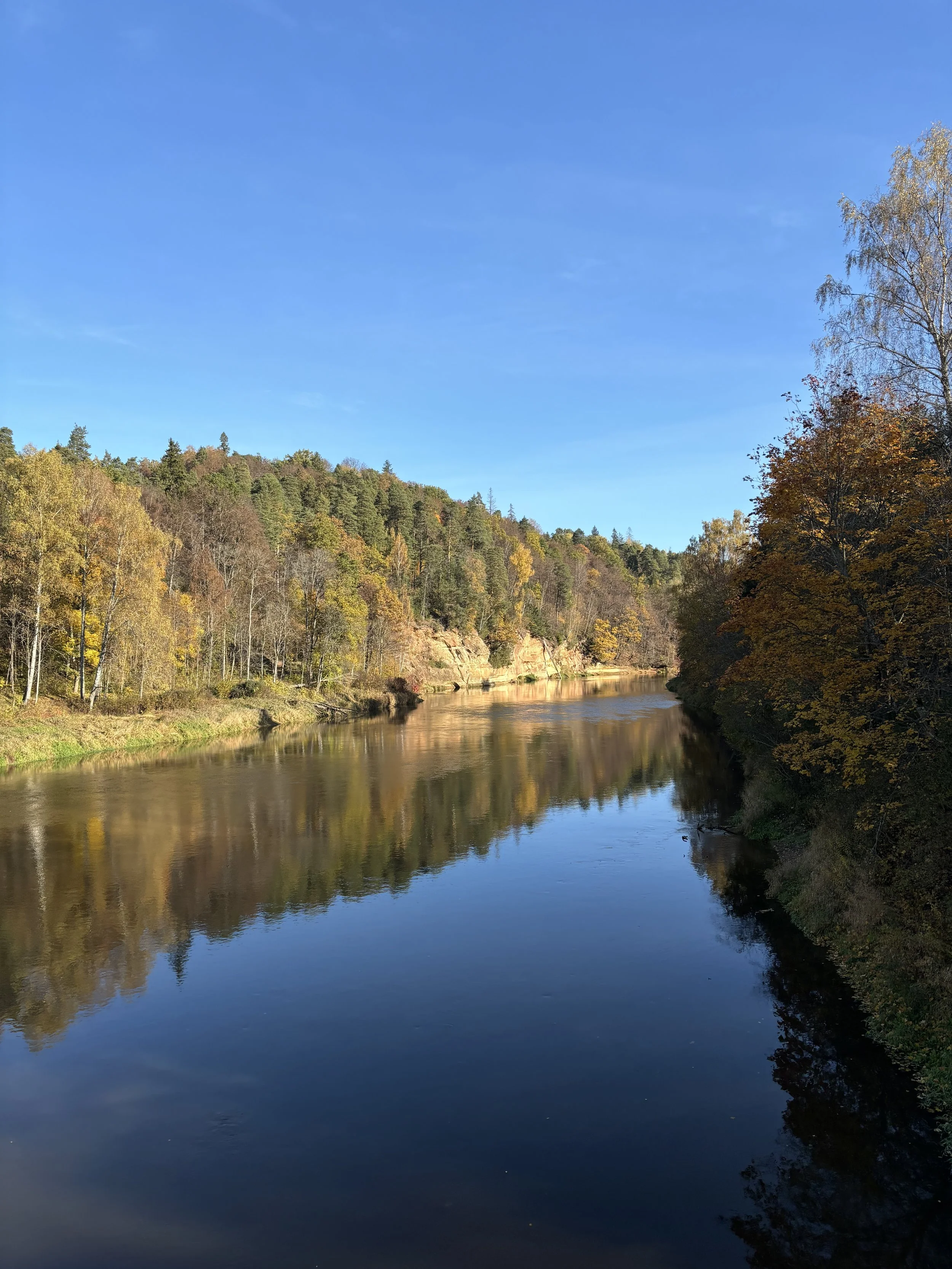
It all begins with nature. Gauja National Park is Latvia’s oldest and largest national park, a place where forested valleys, sandstone cliffs, and the winding Gauja River create landscapes straight from a postcard. Here, medieval castles stand watch over quiet villages, caves whisper old legends, and miles of trails invite you to hike, cycle, or paddle through unspoiled beauty. Whatever your pace-adventure or reflection. Gauja offers a timeless escape into Latvia’s wild heart.
Kemeri National Park
It all begins with the land. Ķemeri National Park is a world of wetlands, forests, and mineral springs where nature and healing traditions meet. Famous for its Great Bog Boardwalk, the park offers breathtaking sunrises over misty peat bogs, rare birdlife, and the quiet beauty of marsh lakes. Wander through pine forests, explore historic spa towns, or simply breathe in the fresh coastal air. Ķemeri is a serene retreat that reveals Latvia’s natural richness in every step.
Slītere National Park
Slītere National Park stretches along Latvia’s remote Livonian Coast, where ancient dunes, deep forests, and fishing villages preserve centuries of culture and wild beauty. Here, the Baltic Sea meets rugged cliffs and sandy beaches, while migratory birds fill the skies above. Explore coastal trails, lighthouses, and the traditions of the Liv people in one of Europe’s least disturbed corners. Slītere is where nature, history, and the sea come together in harmony.
Rāzna National Park
Rāzna National Park lies in Latvia’s Latgale region, centred around the country’s second-largest lake, often called the “Latgale Sea.” Rolling hills, forests, and quiet lakeshores define this peaceful landscape, where traditional villages and Catholic heritage remain strong. Visitors can explore scenic viewpoints, wooden churches, and walking trails that wind through meadows and along the water’s edge. Rāzna offers a slower, more contemplative side of Latvia, where culture, spirituality, and nature blend into a uniquely serene experience.
Nature FAQ: Exploring Latvia’s National Parks
What is the best national park to visit in Latvia?
Gauja National Park is the most popular and accessible, especially for first-time visitors. It combines nature with cultural highlights such as castles, caves, and scenic river valleys. For quieter, more remote experiences, Slītere and Rāzna offer a slower pace and fewer crowds.
When is the best time to explore Latvia’s national parks?
Late spring to early autumn (May to September) offers the best conditions for hiking, wildlife spotting, and coastal exploration. Summer brings long daylight hours, while autumn is known for colourful forests. Winter can be beautiful but is better suited to experienced visitors.
Are Latvia’s national parks free to visit?
Yes, Latvia’s national parks are generally free to access. Trails, viewpoints, and natural areas are open to visitors, although certain attractions, guided tours, or facilities may have small fees.
Can you hike in Latvia’s national parks year-round?
Hiking is possible throughout the year. Summer and autumn provide the best trail conditions, while winter offers a more rugged and peaceful experience. Boardwalks in areas like Ķemeri remain accessible even in wetter seasons.
What wildlife can you see in Latvia?
Latvia is home to a wide range of wildlife, including deer, elk, wild boar, beavers, and numerous bird species. More elusive animals such as lynx and wolves also inhabit the forests, though sightings are rare.
Which national park is closest to Riga?
Gauja National Park is the closest, located less than an hour from Riga. It is easily reached by car or train, making it ideal for day trips or short nature escapes from the capital.
Are there guided tours available in Latvia’s national parks?
Yes, guided tours are available, particularly in Gauja and Ķemeri National Parks. These range from hiking and nature walks to birdwatching and cultural tours, offering deeper insight into the landscape and local heritage.
Are Latvia’s national parks suitable for families?
Yes, many areas are well-suited to families, with marked trails, boardwalks, and accessible viewpoints. Parks like Ķemeri and Gauja offer easy walking routes that are ideal for visitors of all ages.
Explore more in the Baltics
Plan Your Trip: | Day Trips | Baltic Itineraries | Where to Stay in Riga
Explore Destinations: | Riga | Tallinn | Vilnius | Riga 2 Day Trip | Getting Around the Baltics
Practical Information: | Getting Around | eSIMs for Europe | Travel Tips | Where to Stay
Affiliate Disclosure
This page contains affiliate links. If you book or purchase through these links, we may earn a small commission at no extra cost to you. This helps support the site and allows us to keep sharing travel guides and tips. Thank you for your support.
Sigulda, Gauja National Park
Sigulda is a scenic town where dramatic landscapes meet outdoor adventure. Nestled in the heart of Gauja National Park, it offers castle ruins, caves, and sweeping views over the Gauja River valley. Hike forest trails, cycle along ridges, or try bobsleigh and skiing in winter. With its mix of nature, history, and year-round activities, Sigulda is Latvia’s ultimate escape for active travelers and nature lovers alike.